Young people today are looking for a modern, balanced, purposeful, and flexible work environment, say heads of HR at Luxembourg private banks. Employers, on the other hand, are focusing on whether candidates bring transferable skills.
Exit the technical expert whose head is lost in spreadsheets and numbers; enter the agile and curious candidate who’s eager to learn. The last five to ten years has seen a shift in priorities when it comes to recruiting young talent, say heads of human resources at private banks in Luxembourg.
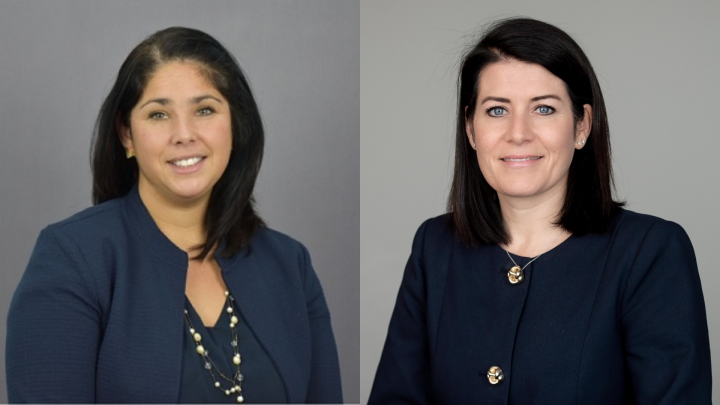
“We do not only look for people with strong technical and analytical skills, because those skills can be acquired along the way,” said Lise Roda, head of HR Europe Pictet. “We also look for individuals that demonstrate integrity, adaptability, and also a genuine, deep interest in the world of finance and client service. We value curiosity, a willingness to learn—this is key for the coming years—and the ability to work in a collaborative way in a multicultural environment.”
Transferable skills are becoming increasingly important, noted Josette Meyssonnier, head of HR Europe at Bank Julius Baer Europe S.A. Leadership capacity and agility, for instance, are useful for a variety of career paths within the world of private banking. “We are moving away from expertise—that’s clear. Communication skills, stakeholder management, empathy, and agility—these are the real skills of the future.”
Despite the transformations that technology is bringing to the sector—like quicker reporting or more access to information—the “human touch” is still the DNA of private banking, said Hélène Lange, head of business coordination at the Luxembourg Bankers’ Association (ABBL). And in the age of artificial intelligence, notes Roda, the capacity to reason is crucial.
To ensure that young people have the necessary skills and to offer them a taste of what working in a private bank is really like, the ABBL last year launched its first masterclass for students enrolled in the master’s programme in wealth management at the University of Luxembourg. It aims to bridge the gap between university and the “real world.” Besides getting to explore different aspects of the banking profession, explained Lange, students learn about the importance of emotional intelligence, authenticity, long-term client relationships, trust, and self-awareness.
Flexibility is a key demand
But it’s not just the needs of employers that have changed. The expectations of young talents and recent graduates have also evolved significantly. “We know that they’re looking for more than just a job or a career path. They seek purpose, opportunities—both for personal and professional growth—and a work environment that values flexibility, diversity, and also innovation,” Roda pointed out. Company values like sustainability or social impact are key, and these need to be demonstrated and lived out.
Candidates are looking for a modern, purposeful, flexible workplace with a balance between the physical and the digital—what Meyssonnier called a “phygital environment”—as well as opportunities for clear career progression. Because the private banking business and people’s careers evolve, it’s crucial for young people to have the chance to explore new roles and functions, she notes, something that banks often offer through graduate programmes. Mentorship initiatives are also important, allowing banks to invest in staff and to retain them.
Flexibility—whether that’s to change jobs within a bank or whether that’s related to teleworking policies—is also an essential demand amongst young people. “This is a key challenge for Luxembourg,” added Meyssonnier. It can be tricky to implement due to cross-border limitations, data privacy, and risk management, amongst other restrictions.
The family life of a potential candidate is also an element to consider. If both partners in a couple work full-time, they also need flexibility to be able to care for their children and to enjoy a balanced life. “If you don’t bring in this flexibility, you cut yourself off from a lot of talent,” argued Roda.
From hierarchy to partnership
But before people get to start working, there is, of course, the interview. And even this element of the recruitment process has changed.
“Before, it was really a discussion where the employer was in the driver’s seat, setting the expectations. Today, I think it’s completely different,” said Meyssonnier. “Luxembourg is really dealing with a shortage of talent. Therefore, the balance has been reversed. The tone of the discussion is completely different. We now listen to candidates’ expectations and ambitions much more, which is quite positive. What is important, as an organisation, is that we want to find the ‘right person.’ Nothing is more costly than a costly mistake, in terms of energy and finances.”
As seen in the changes observed during the interview process, the relationship between employer and employee is shifting from one of hierarchy to partnership. “It used to be the boss and people underneath, and you just had to climb the ladder,” explained Roda. “Now it’s more of a partnership, between the employer and the talent. No matter how old you are, it’s really a partnership from the beginning.”